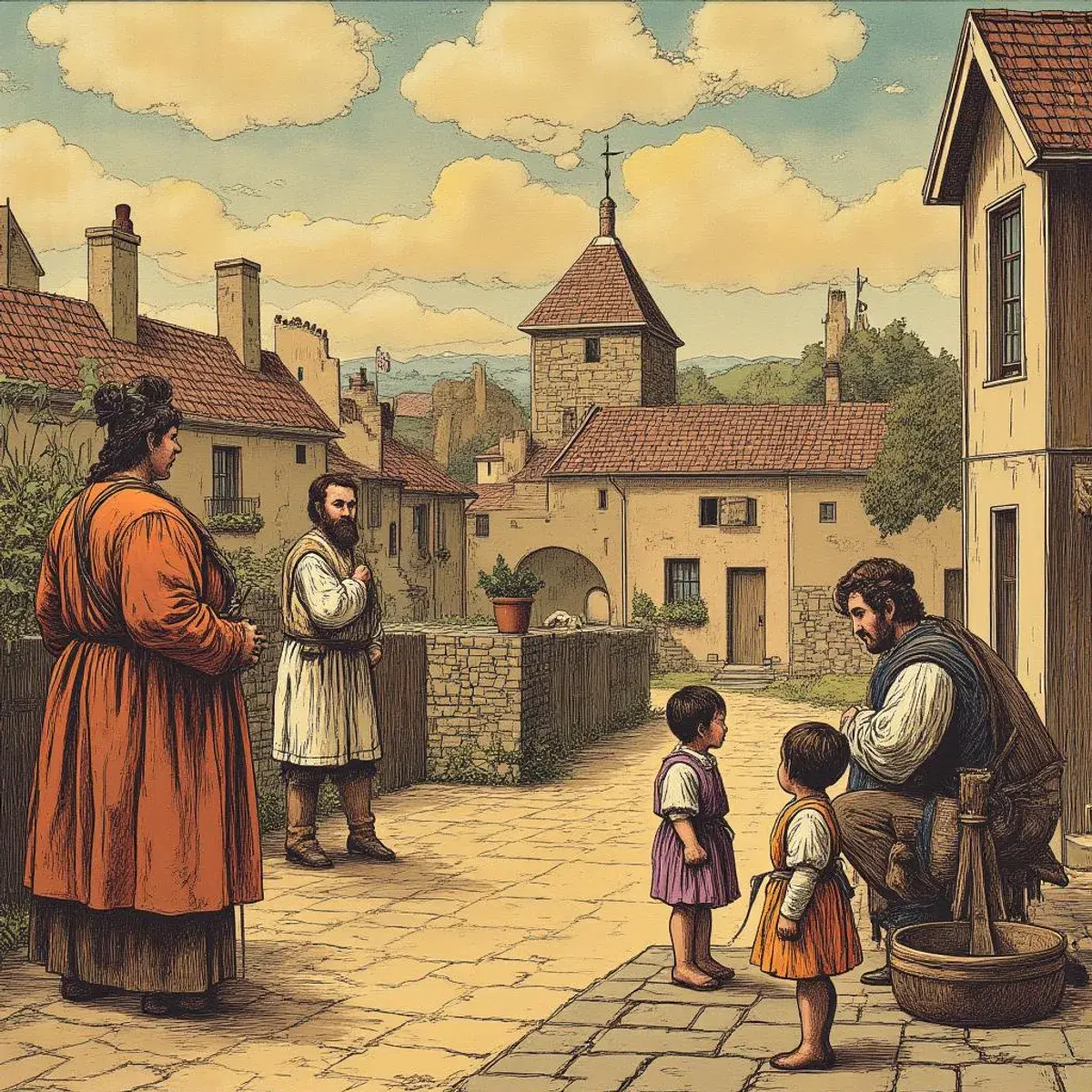
Feudalism in medieval Europe was marked by the decentralization of power following the fall of the Roman Empire. Feudalism was a social and economic system based on land ownership and the exchange of land for military service. Feudal lords granted land, or fiefs, to vassals in exchange for loyalty and military support.
A long time ago, during the Middle Ages, Europe was a very different place. After the Roman Empire fell, life became dangerous. People didn’t have strong governments to protect them, so they needed a new way to stay safe. This is how feudalism, a system where lords and vassals worked together, came to life. It was a system built on loyalty, land, and protection, and it changed the way people lived for hundreds of years.
Rise of Feudalism
Why Feudalism Happened
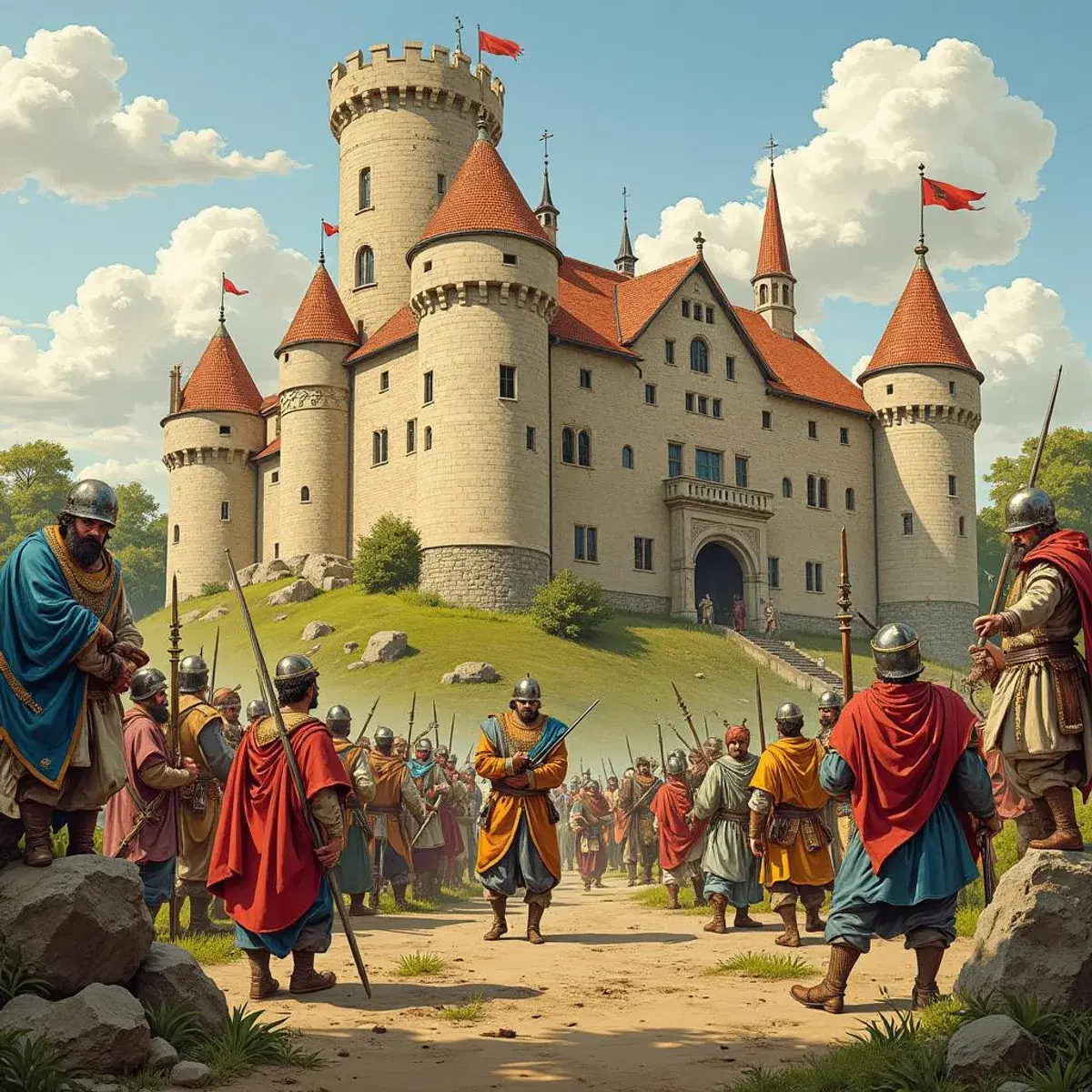
When the Roman Empire collapsed, Europe became chaotic. There were no strong armies to keep order, and invaders like Vikings and robbers made life scary. Ordinary people couldn’t defend themselves, so they turned to powerful lords who owned castles. These lords promised protection in exchange for loyalty and service. This system of promises and protection is what we now call feudalism.
How Feudalism Worked
In feudalism, a free person could ask a lord for protection by becoming his vassal. This involved a special ceremony. The person knelt before the lord, put his hands in the lord’s hands, and promised to serve him. This was called "homage." The vassal also swore an "oath of loyalty" to always be faithful to the lord. In return, the lord promised to protect the vassal and take care of him. If the vassal already owned land, he would give it to the lord and then receive it back to use. If the vassal didn’t have land, the lord would give him some. This land, called a "fief," came with responsibilities. The vassal might need to farm it, provide soldiers, or help the lord in other ways. When a vassal died, his child could inherit the land, but only after making the same promises to the lord.
What Did Lords Get Out of It?
Lords didn’t protect vassals just to be nice—they needed something in return. Lords had to defend their castles and fight battles, and vassals were their helpers. A vassal might serve as a knight, a soldier who fought for the lord. Knights were expected to fight for about 40 days a year. They also gave advice, money, or supplies when needed. The more vassals a lord had, the stronger and more powerful he became.
peasants